
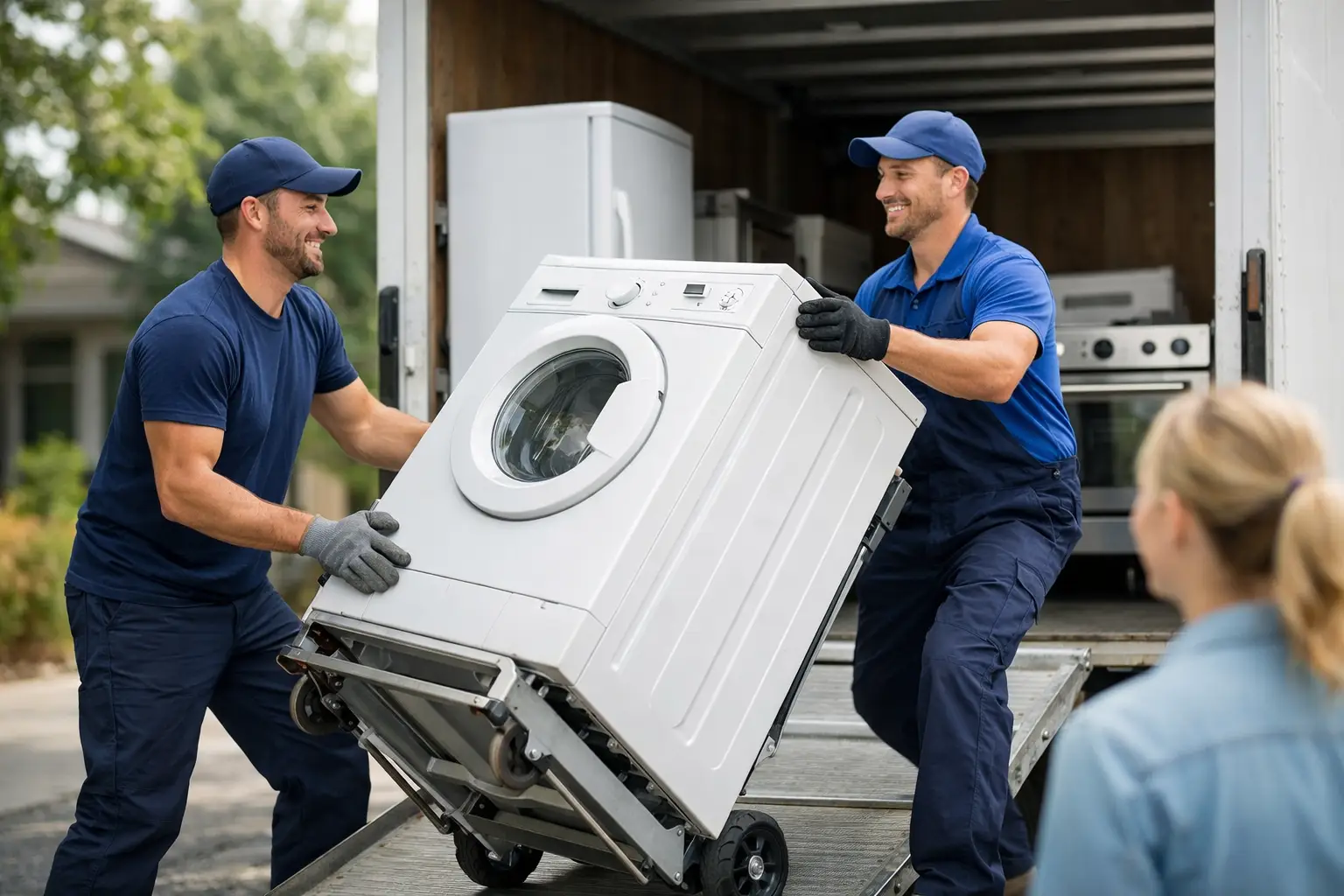
That old refrigerator in the garage is not getting lighter. Neither is the washer in the basement, the dead chest freezer on the porch, or the stove taking up half the shed. An appliance removal service gets those bulky, awkward items out without turning your weekend into a back injury, a scratched wall, and three trips in a borrowed pickup.
Appliances look simple until it is time to move one. They are heavy, hard to grip, often tucked into tight spots, and sometimes contain materials that need special handling. The job is more than loading metal into a truck. It is getting the appliance out safely, transporting it responsibly, and keeping the mess off your plate.
What an Appliance Removal Service Can Take
Most household appliances are fair game when they have reached the end of the line. That includes refrigerators, freezers, washers, dryers, dishwashers, ovens, ranges, microwaves, water heaters, dehumidifiers, window air conditioners, and large exercise equipment with electronic components.
The details matter, though. A small countertop microwave is a different job from a built-in wall oven. A dryer on the first floor is easier than a washer at the bottom of a narrow basement staircase. If the appliance is connected to water, gas, or electricity, it needs to be disconnected before hauling begins unless arrangements have been made for qualified disconnection.
Refrigerators, freezers, air conditioners, and dehumidifiers deserve extra attention. Many cooling appliances contain refrigerant, oil, or other components that cannot simply be tossed with ordinary trash. A legitimate hauling crew knows these items may require specific disposal steps. That is one big reason a quick curbside dump is not always the easy answer it appears to be.
Why Appliances Are a Different Kind of Junk
A couch is bulky. An old refrigerator is bulky, heavy, top-loaded, and full of parts that can create problems if handled carelessly. Moving one through a home can damage floors, door frames, drywall, and toes in a hurry.
Washers are another classic surprise. They may look manageable until you account for the steel cabinet, concrete counterweights, hoses, and trapped water. Older units can be especially heavy. A team with the right moving equipment, a clear path, and a plan can handle the lift far more safely than two friends trying to muscle it up stairs after work.
There is also the disposal question. Appliances are made from recyclable metal, but that does not mean every part belongs in the same bin. Electronics, compressors, refrigerants, and wiring may be handled differently from a simple steel range. Proper removal keeps you from guessing where the item should go after you finally get it into the truck.
Full-Service Hauling or a Dumpster?
The right choice comes down to how much junk you have and how much lifting you want to do yourself.
Full-service hauling is the cleanest option when you have one appliance or a small pile of items. A crew comes to the property, does the lifting, loads the truck, and takes it away. It is a strong fit for homeowners replacing a refrigerator, landlords turning over a unit, families clearing a relative's home, or anyone staring at a heavy appliance in a bad location.
A roll-off dumpster makes more sense when the appliance is part of a larger cleanup. Maybe you are gutting a kitchen, emptying a garage, cleaning out a rental, or tackling an estate property over several days. You can fill the container on your own schedule and have the whole load hauled away at pickup.
The trade-off is simple. A dumpster gives you time and capacity, but you do the loading. Full-service hauling saves your back and moves faster, but it is usually best for jobs where the crew can load what is ready to go. If you are unsure, describe the appliance, its location, and the rest of the debris when requesting a quote. That information helps determine the better lane before a truck arrives.
How to Prepare an Old Appliance for Pickup
A little preparation makes appliance removal safer and quicker. Start by emptying the unit. Remove food from a refrigerator or freezer, dishes from a dishwasher, laundry from a washer or dryer, and any loose racks, trays, or detachable parts that could shift during the move.
Unplug electrical appliances and disconnect water lines well ahead of the pickup. For a washer, make sure both water valves are off and the hoses are drained. For a dishwasher or refrigerator with a water line, confirm there is no lingering leak. Gas ranges, gas dryers, and gas water heaters should be disconnected by a qualified professional. Hauling crews can move an appliance, but gas work is not a DIY gamble.
Defrost refrigerators and freezers in advance. Plan for a towel, a shallow pan, and more time than you think you need. A freezer that is still icy on pickup day is heavier, messier, and harder to handle. Once it is empty and dry, secure the doors or remove them if required for safety. Never leave an unplugged appliance with an accessible door where children could get inside.
Finally, clear the route. Move rugs, boxes, pet gates, porch furniture, and anything else sitting between the appliance and the exit. Measure tight doors if the appliance barely fit coming in. A clear path protects your home and lets the crew spend its time hauling, not rearranging the house.
What Affects Appliance Removal Pricing
Good pricing should not feel like a mystery. Appliance removal costs usually depend on the space the item uses in the truck, the number of items, labor involved, and any special disposal requirements.
A single electric range sitting in an open garage is a straightforward load. A refrigerator wedged in a basement corner, down a flight of stairs, is a different job. The same is true when an appliance must be disconnected, carried through a narrow home, or combined with construction debris, furniture, and boxes.
Photos help. So does being honest about access. Mention stairs, tight hallways, elevators, long carries, and whether the appliance is outside, in a basement, or still connected. An upfront quote based on the real job beats a vague number that changes once the crew sees a problem nobody mentioned.
When Not to Move It Yourself
There is no prize for proving you can wrestle a dryer into a pickup bed. Call for help when the appliance is on stairs, larger than the available vehicle, connected to utilities, or heavy enough that you would need to recruit a crew of friends. It is also smart to bring in haulers when you are clearing an estate, preparing a property for sale, or working against a move-out deadline.
The DIY route can work for a light item, an easy ground-level path, and a confirmed disposal location that accepts it. But once you add a second appliance, a basement, or an old refrigerator with uncertain disposal requirements, the time savings disappears fast. A properly insured crew is built for the work you should not have to do.
Appliance Removal in Bowling Green and Northwest Ohio
For homes, rentals, and cleanup projects around Bowling Green and Northwest Ohio, the goal is not just to make an appliance vanish from sight. It is to get it out without damaging the property, creating a safety problem, or leaving you with a disposal headache afterward.
Bye-Bye Buckeye handles the heavy lifting when the appliance is ready to go. Get the unit emptied, disconnected, and accessible, then let the haulers do what haulers do: lift it, load it, and get it out of your life. That garage corner is better used for something other than a refrigerator that quit three summers ago.