
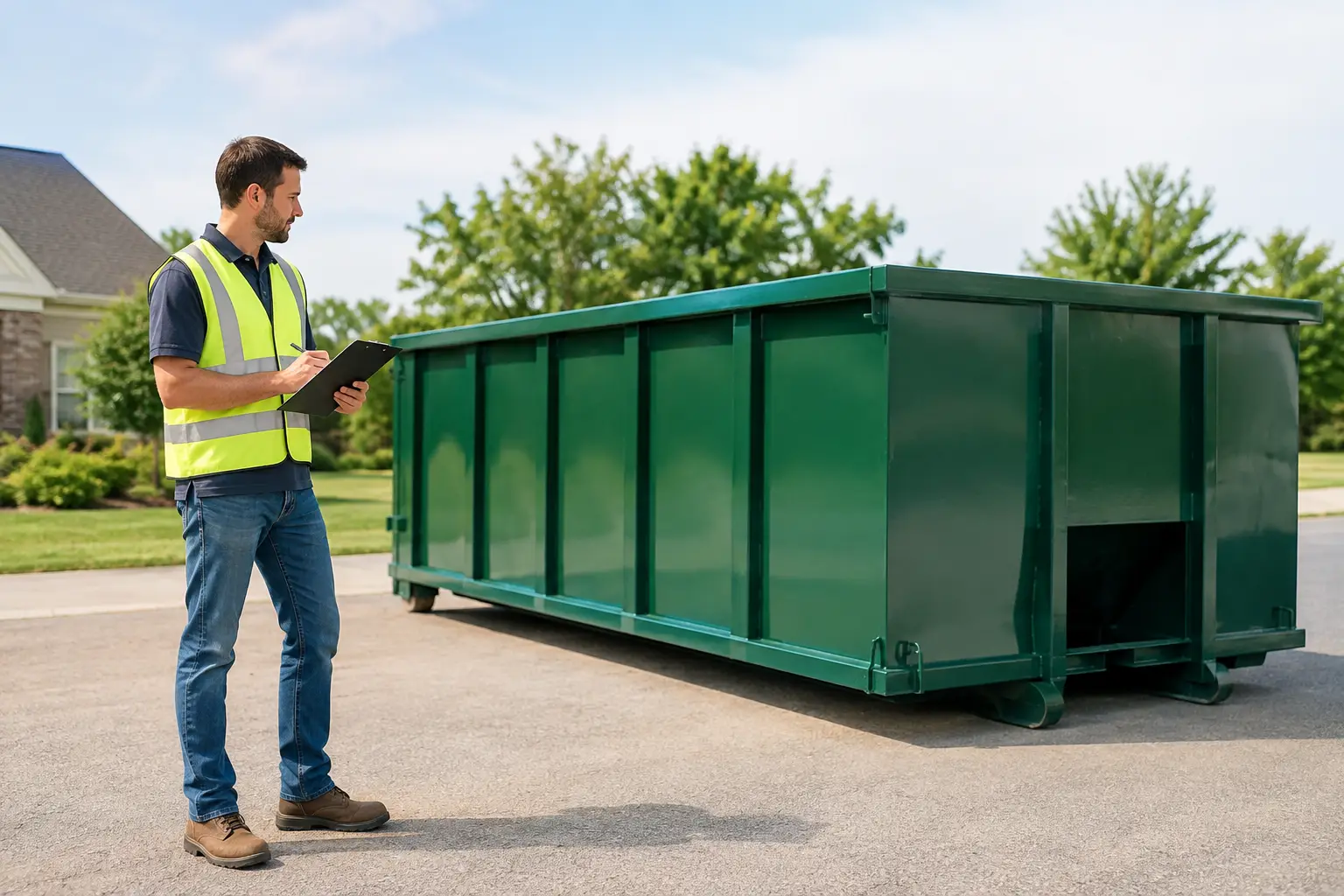
A dumpster is supposed to make a cleanup easier, not create a last-minute paperwork problem. The good news on Bowling Green dumpster permits is that many residential projects can avoid the permit question entirely by placing the roll-off on private property. The catch is location: once a dumpster touches a public street, alley, sidewalk, or other public right-of-way, the rules can change fast.
Before you schedule delivery for a remodel, roof tear-off, estate cleanout, or garage purge, decide exactly where the container will sit. That one decision usually tells you what to ask next.
When Bowling Green Dumpster Permits May Be Needed
A permit is most likely to come into the picture when a roll-off dumpster needs to sit in a public area rather than on your own property. Streets, curbs, sidewalks, and alleys are not extra storage space, even when there seems to be plenty of room. The city may need to review the placement to protect traffic flow, emergency access, drainage, pedestrians, and nearby parking.
If the dumpster fits fully on your driveway, a private parking area, or another area you control, a right-of-way permit may not be necessary. “May” matters here. Property rules, neighborhood associations, rental agreements, and site conditions can still apply. A homeowner renting a dumpster for a weekend cleanup has different considerations than a contractor running a longer job at a commercial property.
Do not assume that a partially street-side container is close enough to being on private property. If the wheels, door, or container body extend into the public right-of-way, treat it as a public-placement question and confirm the requirements before delivery.
Start With the Drop Spot
Measure the intended spot before choosing a dumpster size. Roll-off containers need more than their footprint. The delivery truck needs room to approach, raise the container, set it down, and leave without clipping a vehicle, low branch, utility line, or basketball hoop.
A driveway is usually the simplest option, but it needs to be practical. Check that the surface is stable and that the dumpster will not block the garage, a shared drive, or a neighbor’s needed access. If the driveway slopes sharply, has a tight turn, or sits beneath low wires, another spot may be safer.
Street placement can make sense for homes with narrow drives or major renovation debris. It can also bring more moving parts. You may need city approval, safety markers, a defined placement window, or a plan that keeps access open. Get the answer before the truck is on its way, not after the crew arrives with a loaded schedule.
Private Property Does Not Mean Ignore the Details
A private driveway can save you from a public right-of-way permit, but it is still worth protecting the site. Wood boards placed beneath the container can help spread the load and reduce the chance of surface marks or damage. Ask your dumpster provider what they recommend for your driveway material and the size you are renting.
Also consider the loading door. Many roll-off dumpsters have a rear door that swings open so you can walk heavy items inside. Leave clearance behind the dumpster. Parking it tight against a fence, garage, or landscaping bed can turn an easy load into an awkward lift.
Who to Contact Before You Rent
For a dumpster that will be placed on a public street, alley, sidewalk, or other city-controlled space, contact the appropriate City of Bowling Green office and describe the placement plan. Be ready with the address, proposed location, dumpster size, rental dates, and whether the container will affect parking or traffic.
If you live outside city limits, the applicable rules may come from a township, county authority, property owner, or another local jurisdiction. This is why “Bowling Green area” is not specific enough for permitting. The address controls the answer.
Renters should check with a landlord or property manager first. Residents of a neighborhood with an association should review its rules as well. A city may allow a driveway dumpster while a lease or association restricts how long it can remain visible or where it may sit.
When you call, ask direct questions: Is a permit required for this exact placement? How far in advance should you apply? Are cones, reflective markings, or other visibility measures required? Is there a maximum number of days the dumpster can remain in place? Clear answers prevent vague assumptions from becoming delays.
Give Yourself Enough Lead Time
Permits are not a good same-morning task. Even a straightforward request can take time to review, especially when a street closure, parking impact, construction activity, or a busy season is involved. Apply or confirm requirements before locking in your delivery date.
It also helps to build a little slack into your cleanup plan. Remodels create surprises. A bathroom tear-out can reveal water damage. An estate cleanout can uncover a packed attic. If your dumpster must be removed by a permit deadline, leaving the final load until the last hour is a bad bet.
Upfront planning is cheaper than a rushed extension, a failed delivery, or having to reload material because the container had to move.
Keep the Dumpster Safe and Visible
Whether a permit is required or not, use common sense around the container. Keep the area around it clear, especially the loading door and driveway entrance. Do not stack debris above the top rail. Overfilled dumpsters can be unsafe to haul and may need to be leveled before pickup.
If the dumpster is near a travel lane, visibility deserves extra attention. Follow any city directions about cones, lights, reflectors, or placement. Keep kids away from the container, close the loading door when it is not being used, and never let anyone climb inside.
Be selective about what goes in. Typical household debris, furniture, construction waste, and non-hazardous clutter are common dumpster loads, but certain materials often need separate handling. Paint, solvents, fuels, propane cylinders, chemicals, batteries, tires, and electronics can have special disposal rules. Heavy materials such as concrete, brick, dirt, and shingles may also require a specific container size or a separate loading plan because weight adds up quickly.
Pick the Right Size Before It Becomes a Permit Problem
A dumpster that is too small can create an avoidable headache. You may need a second container, an extra pickup, or more time on site. A dumpster that is too large can crowd a driveway, block access, or make street placement harder to approve.
For a small garage cleanout or a single-room project, a compact container may be enough. Bigger renovations, roofing work, and whole-home cleanouts usually need more capacity. The right call depends on the type of debris, not just the room count. Bulky furniture takes space. Dense materials create weight. Drywall and lumber can look manageable until they are piled up.
If you are between sizes, describe the job honestly when requesting a quote. A good estimate starts with what you are removing, where the dumpster will sit, and how long you expect to need it. That is how you avoid paying for space you do not need or running out of room halfway through the job.
A Simple Pre-Delivery Check
Before delivery day, confirm these details with the city or property authority if applicable, then with your dumpster provider:
- The exact placement is approved for the full rental period.
- The driveway, alley, or street approach is clear of cars and obstacles.
- Low branches, wires, gates, and overhead structures have enough clearance.
- The loading door has room to open safely.
- Everyone on the project knows which materials cannot go in the container.
That five-minute check can save a wasted trip and a pile of debris sitting where you do not want it.
Permit Questions Should Not Stall the Cleanup
Most permit confusion comes down to one thing: people book the dumpster before deciding where it will go. Flip that order. Pick the spot, confirm whether it is private property or public right-of-way, ask the local authority when needed, and then schedule the container that fits the job.
For Bowling Green homeowners and contractors, the cleanest setup is often a properly sized roll-off placed safely on private property. When the street is the only realistic option, handle the approval first. Then you can load with confidence, fill it on your timeline, and say bye-bye to the mess instead of wrestling with it twice.