
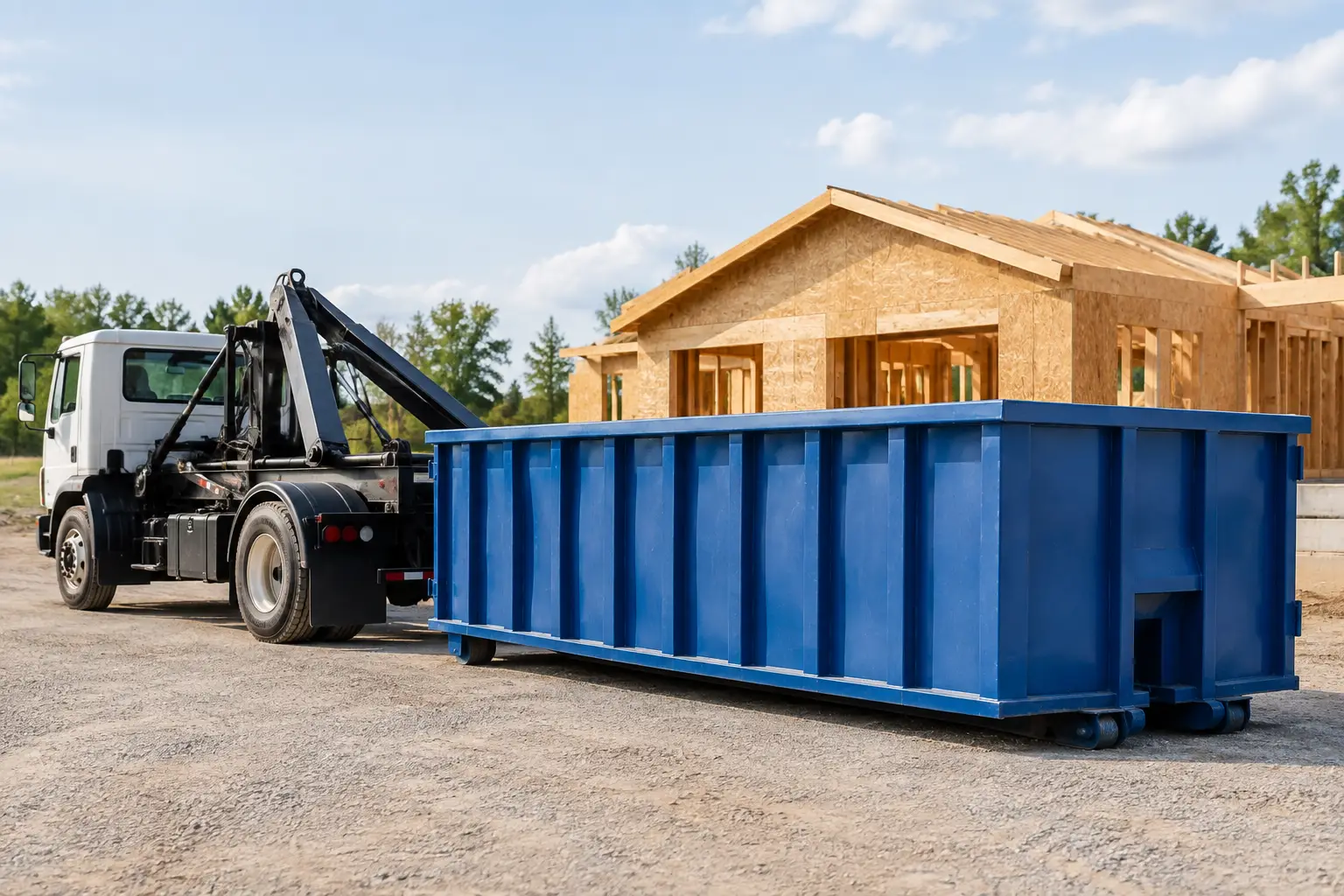
That bathroom remodel starts with one pile of drywall. Then come the old vanity, busted tile, packaging, lumber cutoffs, and the stack of flooring you swore would fit in the garage. A construction dumpster rental keeps that pile from taking over the driveway, slowing the crew down, or turning every trip to the landfill into a separate project.
For DIY remodelers, property owners, roofers, and contractors around Bowling Green and northwest Ohio, the right roll-off dumpster is less about getting the biggest box available and more about matching the container to the debris, the job schedule, and the space you have. Get those three things right, and cleanup stays out of the way. Get them wrong, and you can wind up with a container that is too small, too heavy to haul, or parked where nobody can work around it.
When a Construction Dumpster Rental Makes Sense
A roll-off dumpster earns its keep when debris will build up over more than a day or two. Think kitchen renovations, basement finishes, deck tear-outs, siding replacement, roofing jobs, garage cleanouts tied to a remodel, and rental turnover work. Instead of making a growing stack of waste someone else has to deal with later, you have one place to toss it as the work happens.
It is also the better choice when you want control over the pace. Maybe you are renovating after work and on weekends. Maybe subcontractors are arriving on different days. Maybe demolition is quick but sorting, rebuilding, and final cleanup will take longer. The dumpster stays on site so you can fill it on your timeline, then have it hauled away when the job is ready.
That said, a dumpster is not always the move. If the debris is already gathered, the job is small, or nobody on site wants to lift heavy material, a full-service haul can be the faster lane. A crew does the loading; you get your space back. For ongoing construction debris, though, a roll-off gives you a dependable home base for the mess.
Choose the Right Dumpster Size Before the First Swing
Dumpster sizes are measured in cubic yards, which describes volume, not weight. That distinction matters. A container can look only half full but still be too heavy if it is loaded with dense material such as concrete, brick, dirt, or shingles.
Bye-Bye Buckeye offers 10-, 15-, 20-, and 30-yard roll-off dumpsters. Here is the practical way to think about them.
10-yard dumpsters for focused cleanouts and small tear-outs
A 10-yard dumpster is a smart fit for a small bathroom remodel, a single-room flooring project, a compact deck removal, or a garage cleanout with construction leftovers. It is often easier to place where driveway space is limited, and it helps keep a smaller project from paying for air.
It can fill faster than people expect once bulky material enters the picture. Cabinets, old carpet, insulation, and drywall do not stack as neatly as a pile of broken tile. If your project includes several rooms or a full kitchen, step up rather than trying to pack every last inch.
15-yard dumpsters for medium remodeling jobs
The 15-yard size is a useful middle ground. It works well for a bathroom plus flooring, a moderate basement update, a deck replacement, or a room-by-room renovation where debris is steady but not massive. It gives you more breathing room without taking up the footprint of a large container.
For many homeowners, this is the size that prevents the familiar mistake of starting with a small dumpster, filling it halfway through demolition, and losing momentum while waiting for another container.
20-yard dumpsters for major home projects
A 20-yard dumpster is often the workhorse for substantial remodeling. Consider it for a kitchen renovation, a multi-room flooring replacement, siding removal, a large deck tear-out, or a bigger cleanout connected to moving or estate work. It has room for bulky debris and lets a crew keep moving instead of stopping to compress every bag and scrap piece.
A 20-yard container is also a sensible choice when the amount of debris is uncertain. Renovations have a way of revealing water-damaged subflooring, extra layers of old material, and other surprises once the walls or floors open up.
30-yard dumpsters for big volume
A 30-yard dumpster is built for large renovations, major interior demolition, construction projects with lots of packaging and lumber waste, and large-scale cleanouts. It is the right call when debris volume is clearly high and there is enough room for delivery and loading.
Bigger is not automatically better. A 30-yard dumpster can invite people to toss in heavy material until the load becomes a hauling problem. If your debris is mostly dense material, ask about the best approach before choosing based on volume alone.
Plan the Drop-Off Spot Like Part of the Job
The dumpster needs a clear, accessible place where the delivery truck can safely drop it and later pick it back up. A driveway is common, but access matters more than convenience. The truck needs room to enter, maneuver, and raise the container during placement.
Before delivery, move vehicles, trailers, basketball hoops, and anything else that blocks the route. Look up, too. Low branches and overhead wires can complicate a drop-off even when the driveway itself looks open. If the container will sit on pavement, placing boards under the contact points may help protect the surface. Ask your provider what they recommend for your driveway and the container size.
Keep the placement close enough to the work area that people will actually use it. A dumpster at the far end of the property can turn cleanup into a second workout. But do not block the garage, a neighbor's access, emergency routes, or the path needed for material deliveries. On tighter properties, a few minutes of planning saves a lot of shuffling later.
Load It for a Safe, Clean Pickup
The easiest way to fill a roll-off is to start with flat, heavy pieces on the bottom and spread the weight across the container. Break down boxes, flatten drywall packaging, and place long materials lengthwise when possible. Save lighter bags, insulation, and loose scraps for spaces around heavier items.
Keep every item below the top rail. Material sticking out can shift in transit, make tarping difficult, and delay pickup. If the dumpster is getting close to full, resist the urge to build a mountain on top. A level load is safer, cleaner, and much more likely to leave on schedule.
For active job sites, set one simple rule early: construction debris goes in the dumpster, and prohibited items get set aside. That prevents a rushed cleanup at the end of the project, when someone discovers a paint can, battery, or chemical container buried under a load of lumber.
Know What Usually Needs a Separate Plan
Most renovation debris is straightforward: wood, drywall, flooring, carpeting, cabinets, fixtures, siding, and general job-site waste can typically go into a construction dumpster. But disposal rules and landfill requirements mean some materials need separate handling.
Do not assume you can toss in hazardous or regulated waste. Paint, solvents, fuels, automotive fluids, batteries, propane tanks, chemicals, asbestos-containing material, and certain electronics commonly require a different disposal route. Appliances may also need special preparation because of refrigerants or other components.
Concrete, brick, dirt, asphalt, and shingles deserve a conversation before loading because they are heavy. The right container, weight allowance, and loading plan depend on how much of that material you have. A quick question before delivery is far better than finding out after the container is loaded.
Keep the Rental on Your Construction Schedule
A dumpster works best when it arrives just before the debris starts and leaves shortly after the messy phase ends. If demolition begins Monday, having the container in place Monday morning keeps scraps off the lawn and out of walkways. If your project has stages, think ahead about when volume will peak rather than booking based only on the first day.
Weather can change the plan, especially in Ohio. Rain adds weight to open containers and can turn loose debris into a soggy mess. Wind can scatter lightweight material. If the dumpster will sit through rough weather, keep material contained, avoid leaving loose bags at the top, and cover what you can when appropriate.
For contractors, a clean dumpster also makes a job site look more organized to the homeowner and safer for the crew. For homeowners, it creates a clear finish line: when the container is gone, the old stuff is gone too.
A Better Way to Say Bye-Bye to Job-Site Debris
The best construction dumpster rental is the one that fits the job without becoming another thing to manage. Estimate the debris honestly, allow room for surprises, plan the drop-off spot, and load with pickup in mind. Then let the container do its job while you do yours.
When you are unsure between two sizes or have heavy material in the mix, ask before the dumpster arrives. A quick conversation can keep your remodel moving, your driveway usable, and that growing pile of debris from becoming tomorrow's problem.