
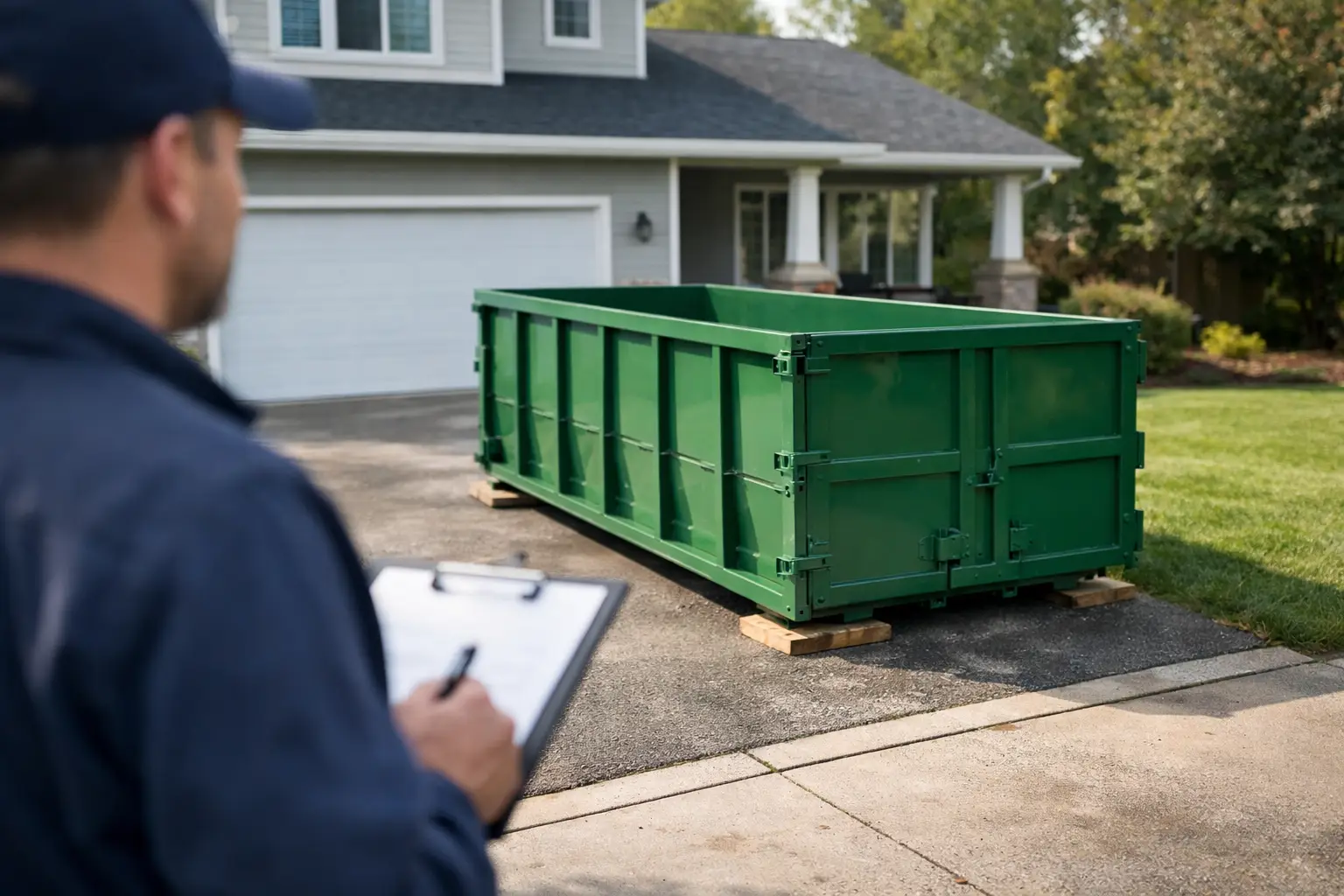
That spare bedroom demo starts with one trash bag. Then there are baseboards, old carpet, busted drywall, a vanity that weighs more than it looked online, and suddenly your pickup bed is not going to cut it. A dumpster rental gives the mess somewhere to go while you keep the project moving - without making six landfill runs or leaving a debris pile in the yard for three weekends.
For homeowners, landlords, DIY remodelers, and anyone staring down an estate cleanout in Bowling Green and Northwest Ohio, the right dumpster is less about getting the biggest box possible. It is about matching the container to the job, knowing what can go in it, and setting it up so pickup day is easy.
When Dumpster Rental Is the Right Call
A roll-off dumpster works best when the cleanup happens over several days or longer. You fill it on your own schedule, whether that means an hour after work each night or a full Saturday with family and friends pitching in. It is the practical lane for projects that create debris in waves.
Think basement and garage cleanouts, roofing debris, kitchen or bathroom renovations, flooring removal, landscaping cleanup, tenant turnovers, moving prep, and estate cleanouts. If you are repeatedly carrying junk from the house, shed, or work area to a growing pile, a dumpster keeps the pile contained and out of the way.
It is not always the best option. A few bulky pieces - say, a couch, mattress, and broken entertainment center - may be better handled with a full-service haul, especially if nobody available wants to do the lifting. Dumpster rental is the DIY-friendly choice: you load it, then the hauler takes it away.
Pick a Dumpster Size Before the Pile Picks It for You
Size is where people either save themselves a headache or create one. Ordering too small can mean a second container. Ordering much too large can take up more driveway than the job needs. Start with the type of debris, then consider how quickly it fills space.
A 10-yard dumpster is a strong fit for small cleanouts, a bathroom remodel, a modest flooring project, or heavy materials in controlled amounts. Dirt, concrete, brick, shingles, and tile can get heavy fast, so they often require special loading limits even when there is room left in the container.
A 15-yard dumpster gives a little more breathing room for medium cleanouts, several rooms of carpet, or a smaller kitchen update. It is often the sweet spot when a garage has become a storage unit with a door.
A 20-yard dumpster is built for larger renovations, whole-house decluttering, deck removal, or a substantial move-out. For many projects, it holds enough to prevent the dreaded game of junk Tetris at the end of the day.
A 30-yard dumpster makes sense when the project is genuinely big: major remodeling, construction debris, a large estate cleanout, or clearing a property with years of accumulated stuff. It is not automatically the right answer for dense, heavy debris. Volume and weight are two different problems.
When you request a quote, describe the job plainly. Mention whether you have construction material, furniture, yard waste, roofing, or heavy debris. A good recommendation is based on what you are tossing, not just the size of the room you are cleaning.
Make Room for the Roll-Off Dumpster
Before delivery day, choose a placement area with a clear path for the truck. A driveway is usually ideal because it is firm, accessible, and close to the work. Keep cars, trailers, basketball hoops, and other obstacles out of the way. Check overhead clearance too - low limbs and utility lines can turn a simple drop-off into a problem.
If you want to protect the driveway surface, place plywood boards where the container will sit. This is especially worth considering on newer asphalt, decorative concrete, or pavers. The dumpster is heavy on its own, and it gets heavier as you fill it.
Street placement can be possible in some areas, but it may require approval or a permit from the local municipality. Do not assume you can block curb space just because the container will only be there briefly. A quick check before booking is much easier than dealing with a complaint after delivery.
Also think about the pickup. The truck needs the same access when the dumpster is full. Do not park another vehicle in front of it, build a lumber pile beside it, or let a low-hanging branch become tomorrow's surprise.
Load It Like You Want It Gone in One Trip
The fastest way to make a dumpster rental frustrating is to toss everything in without a plan. Start with flat, bulky items along the bottom and sides. Break down boxes, cabinets, and furniture when practical. Fill hollow items with smaller debris instead of wasting open air.
Spread weight across the container. Loading all the shingles, concrete, or wet drywall in one corner can create an unsafe, uneven load. Keep material below the top rail. Nothing should stick out over the sides, and the door should be able to close if your dumpster has one.
A few habits make a real difference:
- Put large, flat materials in first so they create a stable base.
- Break down what you can before it reaches the dumpster.
- Keep a clear walking path around the container to avoid trips and strained backs.
- Save the last bit of space for odd-shaped items that will not stack neatly.
Do not use the dumpster as a bonfire pit. Burning waste creates safety issues, damages the container, and can make disposal far more complicated.
Know What Cannot Go in a Dumpster
Most household junk and standard construction debris are fair game, but disposal rules exist for a reason. Materials that are hazardous, pressurized, flammable, or restricted need separate handling. Tossing them in because they are small is not worth the risk or a surprise charge.
Common restricted items include paint, solvents, gasoline, propane tanks, chemicals, batteries, tires, medical waste, and certain electronics. Appliances containing refrigerant may also need special processing. If you are clearing a shed, workshop, or old basement, pause before loading any mystery cans or containers. Read the label, keep them aside, and ask about the right disposal route.
Heavy materials deserve an extra conversation too. Clean concrete, dirt, brick, and roofing debris are often handled differently because disposal facilities set weight limits. Tell the dumpster provider what you have before delivery, not after the container is packed to the rim.
Avoid the Extra Costs Nobody Wants
Upfront pricing starts with accurate information. The biggest variables are generally container size, rental period, material type, weight included with the rental, distance, and whether special disposal is required. The quote should make clear what is covered and what could change the total.
The easiest way to stay on budget is to avoid guessing. Do not hide heavy debris beneath household junk. Do not overfill the container. Do not add prohibited materials because you hope they will go unnoticed. Those shortcuts can create delays, extra disposal fees, or a container that cannot be safely hauled away.
Timing matters too. Schedule delivery for when the work is ready to begin, not weeks before you have a plan. If friends are helping with a cleanout, set the dumpster date first. A container on the driveway is excellent motivation, but it is better when the crew, tools, and work plan are ready to go.
Dumpster Rental or Full-Service Hauling?
The choice comes down to time, labor, and control. With a dumpster, you get a container delivered to your property and load it at your pace. It is great when you are doing the work yourself, sorting through a house room by room, or generating debris over multiple days.
With full-service hauling, a crew handles the lifting and loading. That is often the better fit for heavy furniture, urgent clearouts, limited mobility, or jobs where the labor is the real obstacle. You point, they heave, load, and haul.
Bye-Bye Buckeye offers both lanes because not every mess needs the same fix. If you are unsure, explain the project, the amount of debris, and how much lifting you want to do. The right answer may be a roll-off dumpster, a hauling crew, or a mix of both.
A clean driveway does more than make the neighbors happy. It gives you room to finish the job, make decisions without tripping over old stuff, and finally see the space you are trying to reclaim. Pick the size with a little breathing room, load it safely, and let the mess get its goodbye.