
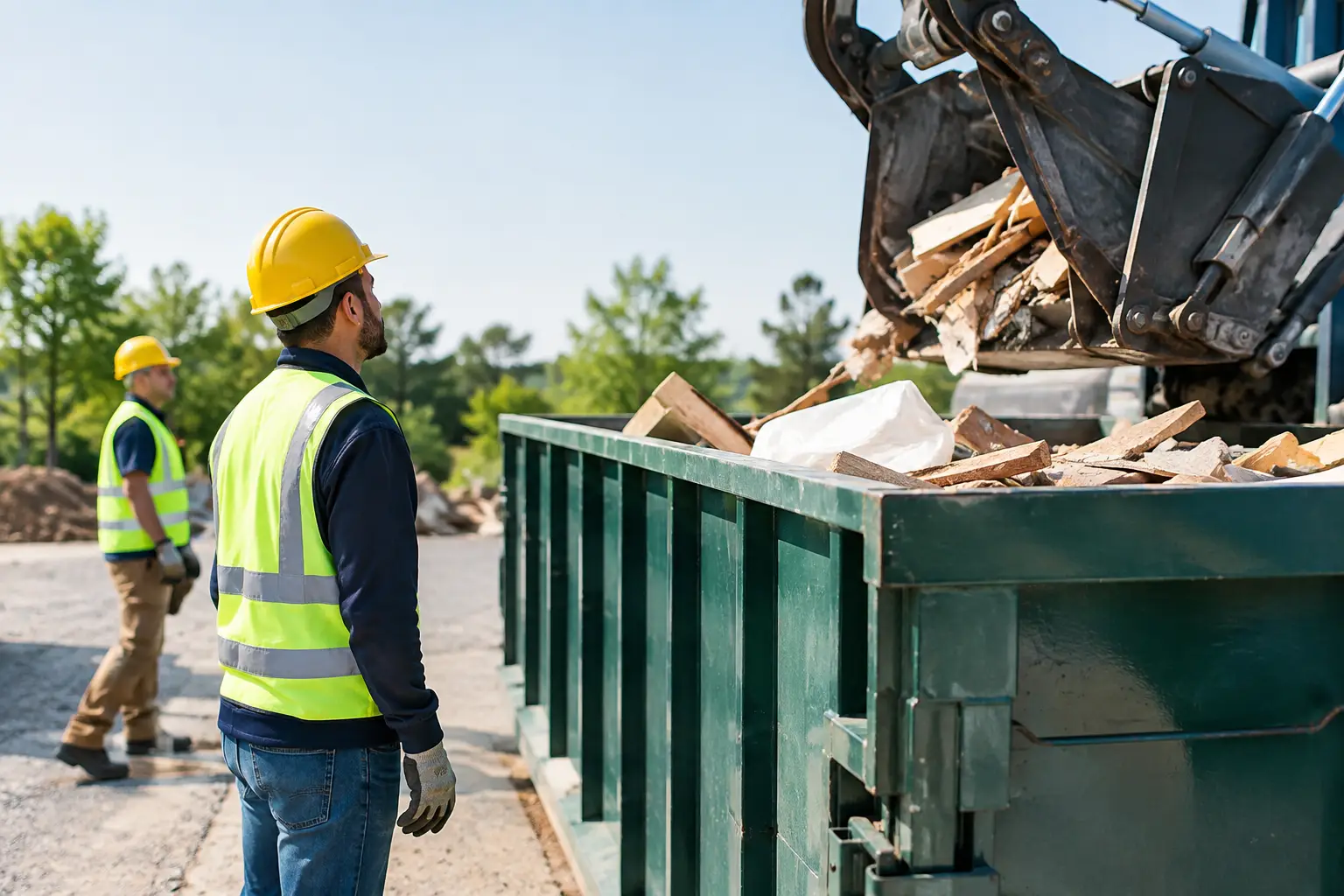
A dumpster can make a garage purge, basement cleanout, or remodel feel a whole lot more manageable. It can also turn into a pile of sharp edges, shifting junk, and bad lifting decisions fast. Knowing how to load dumpsters safely protects your back, your driveway, the people helping you, and the crew picking it up when the job is done.
The goal is not to cram every last thing into the box. The goal is to load it evenly, keep material contained, and get the mess gone without somebody getting hurt. HAUL IT. DUMP IT. But do it smart.
Start With a Safe Work Zone
Before the first trash bag or busted cabinet goes in, take five minutes to look around the dumpster. The area between your house and the container becomes a work zone, especially when several people are carrying debris at once.
Keep the approach clear. Move bikes, yard tools, extension cords, hoses, toys, and loose materials out of the walking path. If the dumpster door is open, make sure it is fully secured according to the container instructions before walking materials inside. A door that swings or shifts is not something to gamble with.
Good footing matters more than people think. Wet grass, muddy ground, icy pavement, and loose gravel can turn a manageable load into a hard fall. In Northwest Ohio, weather can change halfway through a cleanup, so pause if rain makes cardboard slick or turns the path into mud. It is better to wait than to carry a heavy appliance across a slippery driveway.
If kids or pets are around, give them a different place to be while loading. A dumpster is not a play area, and a cleanup crew of friends needs room to move without watching for small feet underfoot.
Wear Gear That Matches the Mess
You do not need a construction-site wardrobe to clean out a home, but flip-flops and bare hands are a bad deal around demolition debris. Wear closed-toe shoes with solid traction, work gloves, and clothes you can move in. Safety glasses are a smart call when handling broken wood, drywall, dusty boxes, or anything that might splinter.
For dusty cleanouts, add a well-fitting mask. Moldy materials, insulation, pet dander, and old attic dust are not souvenirs worth taking home in your lungs. Long sleeves can also help when you are working around fiberglass, thorny brush, or sharp metal.
Take a second to inspect items before grabbing them. A bag may contain broken glass. An old cabinet may have loose nails. A mattress frame may have a spring or bolt waiting to snag your hand. Gloves help, but they are not a force field.
How to Load Dumpsters Safely From the Bottom Up
A stable dumpster starts at the floor. Put the heaviest, densest materials in first, then spread them across the bottom instead of building one giant mountain at either end.
Concrete, brick, dirt, roofing shingles, tile, and other dense debris can add weight in a hurry. Many dumpster rentals have specific rules or limits for heavy materials because a container can run out of weight capacity long before it looks full. If your project involves dense debris, confirm the plan before loading. One container may be right for a garage cleanout but wrong for a driveway tear-out.
For ordinary household junk, place flat, sturdy items along the bottom and sides. Think plywood, doors, flattened boxes, and broken-down furniture panels. This creates a base that is less likely to shift when you add awkward items later.
Then work in layers. Put medium-weight items on top of the base and use lighter materials to fill gaps. Bags of clothing, loose cardboard, foam, and small household items can fit around bulkier pieces, but they should not be holding up something heavy.
A loaded dumpster should look level from side to side. If one corner is stacked high and another is nearly empty, stop and redistribute before you keep going. An even load is safer for you while filling it and safer for transport when pickup day arrives.
Break Down Big Items Before They Become Problems
A couch, shelving unit, entertainment center, or swing set can eat up more space than it deserves. When an item can be safely disassembled, break it down before it goes in. Remove table legs, take shelving apart, flatten boxes, and separate large cardboard pieces.
This is not about making the dumpster look neat for the sake of it. Breaking down bulky items gives you more stable surfaces and fewer hollow pockets that waste space. It also keeps you from balancing bags and debris on top of an oversized item that could shift under the weight.
Use the dumpster door and walk-in access for heavy or awkward pieces whenever available. Trying to heave a waterlogged chair, old TV stand, or bulky mattress over a tall sidewall is where strained shoulders and dropped loads happen. Walk it in, set it down, and adjust it from a stable position.
Do not climb onto debris to rearrange the pile. Materials can settle, roll, or collapse without warning. If you cannot safely reach an area from the ground or through the door, use a different loading approach rather than turning the dumpster into a jungle gym.
Lift Like You Plan to Feel Good Tomorrow
Most cleanup injuries are not dramatic. They are the low-back pull from twisting with a box, the shoulder strain from lifting overhead, or the crushed toe from trying to catch a falling item.
Get close to the item, plant your feet, bend at your knees and hips, and keep the load close to your body. Lift with your legs rather than folding over at the waist. Turn your feet to change direction instead of twisting your torso while carrying weight.
For long, bulky, or genuinely heavy items, get a second person. Two people moving a dresser slowly beats one person trying to prove a point. Talk before lifting: decide who is walking backward, where you are setting the item down, and when either person can call for a stop.
If an item is too heavy to control, it is too heavy to load that way. Break it apart, use a dolly on stable ground, or set it aside for a full-service hauling crew. No old filing cabinet is worth a trip to urgent care.
Keep Sharp, Loose, and Awkward Debris Under Control
Loose debris does not stay where you expect it to. Bag small trash, insulation, paper, and lightweight material so it does not blow across the driveway when the wind picks up. Do not overfill bags. A bag that weighs 80 pounds is harder to carry safely and more likely to rip open at the worst moment.
Wrap or contain sharp items whenever possible. Broken glass, sharp metal, and jagged wood should go into sturdy containers or be bundled so exposed edges are minimized. Place them securely inside the dumpster, not on a high, unstable layer where they can slide out.
Nails and screws deserve extra attention during renovation work. Sweep the loading area often, especially near the dumpster door. A five-minute cleanup now can save a tire, a shoe sole, or somebody's foot later.
Respect the Fill Line and Keep Everything Inside
The most tempting mistake is loading above the top rail. It may look like you can fit one more mattress, a few more bags, or a final stack of boards. But material sticking out above the container can shift during transport, create a road hazard, and prevent safe pickup.
Keep all debris at or below the top edge of the dumpster. Nothing should hang over the sides, poke through the top, or block the door from closing properly. If the load is near the limit, stop and reassess. You may be able to break down a bulky item and rearrange safely, or you may need another hauling plan.
Do not try to solve an overfilled dumpster by standing on the load and stomping it down. That can break items, drive sharp pieces upward, and leave you standing on unstable material. A little extra planning beats a bad fall every time.
Know What Does Not Belong in the Dumpster
Not every item from a cleanup can go in a roll-off container. Common restrictions can include paint, oils, fuels, batteries, propane tanks, chemicals, tires, certain electronics, and hazardous or regulated waste. Disposal rules also vary by material and local facility requirements.
Before loading anything questionable, check the rental guidelines and ask first. Do not hide restricted materials at the bottom of the container. That can create safety issues for the driver and sorting crew, and it may lead to extra disposal charges or a delayed pickup.
A quick sorting station helps. Keep approved dumpster debris in one pile and questionable items in another until you know the proper disposal route. It is much easier than digging through a half-full container later.
Do a Pickup-Day Walkaround
When the job is finished, walk around the dumpster before pickup. Check that everything sits below the rim, the door is closed and secured, and no boards, wires, or branches hang over the sides. Clear vehicles and obstacles from the pickup path, too.
Look for loose debris around the container and sweep it up. This final pass protects tires, keeps the property tidy, and lets the driver work without dodging a trail of nails and trash bags.
A dumpster should make your cleanup simpler, not turn it into an injury report. Load in layers, lift with help when needed, and leave the container level and contained. Then you can look at the cleared-out space, shut the garage door, and say the only words that matter: bye-bye, junk.