
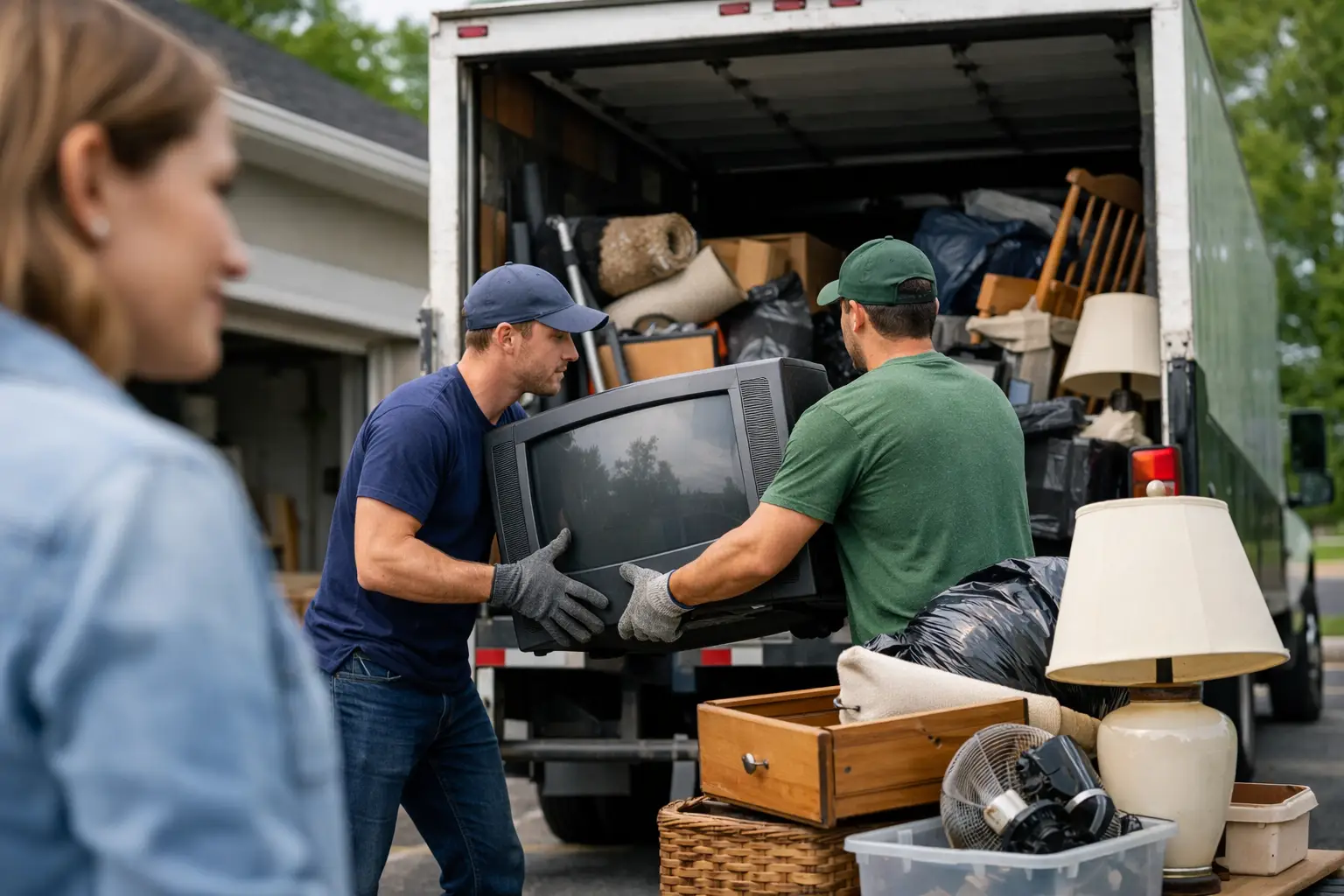
That old sectional did not get lighter while it sat in the basement. Neither did the broken treadmill, the water-damaged drywall, or the stack of boxes that moved with you three years ago and have not been opened since. Junk haulers exist for the point when a mess is too big, too heavy, too time-consuming, or simply too annoying to handle with a few trash bags and a borrowed pickup.
A full-service crew does more than drive stuff away. They handle the lifting, loading, hauling, and disposal so you can get a room, garage, rental, or jobsite back in working order. The right choice depends on the size of the pile, your timeline, and whether you want to do any of the labor yourself.
When Junk Haulers Make the Most Sense
Calling a hauling crew is not just for dramatic cleanouts. It is often the practical move when one bulky item creates a bigger problem than it seems. A sleeper sofa can take two people, tight turns, and a healthy respect for doorframes. A rusted grill, an old refrigerator, or a worn-out entertainment center may fit in a truck, but getting it there is the hard part.
Full-service hauling is especially useful after a move, during an estate cleanout, after a renovation, or when a tenant leaves behind more than a few bags. These jobs tend to have a deadline attached. The house needs to be listed, the unit needs to be turned over, the contractor needs a clear workspace, or you need your garage back before Ohio weather turns it into storage season again.
It also makes sense when the pile is scattered. A few items in the attic, broken furniture in the basement, brush by the shed, and boxes in the garage can turn a simple dump run into an all-day project. A crew can gather it from where it sits, which saves you from dragging everything to the curb or driveway first.
There is a safety angle, too. Heavy furniture, sharp construction debris, moldy materials, and unstable stacks of boxes can make a DIY haul riskier than it is worth. Saving a few dollars is less appealing after a strained back, a smashed finger, or a wall gouged on the way out.
What a Full-Service Haul Usually Includes
The process should be straightforward. You describe what needs to go, share photos if requested, and receive a quote based on how much space the load takes up and what kind of material is involved. Clear, upfront pricing matters because nobody wants a surprise after the truck is already in the driveway.
Once the crew arrives, they confirm the items and get to work. For a standard load, that means carrying items out, loading the truck efficiently, sweeping up the immediate area when the job is done, and taking the load for proper disposal. You point. They lift.
A good crew will also tell you what cannot go in the truck before work begins. Most hauling services have restrictions around hazardous or regulated materials, including paint, chemicals, fuel, propane tanks, certain batteries, and other items that need a special disposal route. If you are unsure about an item, ask before booking. A quick question prevents a stalled pickup.
The same goes for unusually heavy materials. Concrete, dirt, brick, shingles, and dense construction debris can add weight fast. They may need separate pricing or a different plan because disposal rules and truck weight limits are real. “It is only a small pile” can mean something very different when that pile is wet concrete.
The quote should match the job
For most household junk, truck space is a sensible way to price the work. You are not paying for an imaginary flat fee that assumes the worst-case scenario. You pay for the portion of the truck your items fill, plus any special handling required for certain materials.
Be as specific as you can when requesting a quote. Mention stairs, long carries, detached garages, large appliances, sheds, or anything that might change the labor involved. Photos help crews estimate accurately, but do not hide the ugly corner of the project. The more complete the picture, the cleaner the quote.
Full-Service Junk Haulers or a Roll-Off Dumpster?
Both options clear the mess. They just fit different kinds of messes.
Choose a full-service haul when you want the job finished quickly and do not want to lift, sort, carry, or make repeated trips outside. It is the natural fit for furniture removal, a garage clearout, a single-room cleanout, appliances, or a pile that is already ready to go. It is also a strong choice when access is tricky. A two-person crew can handle stairs and tight spaces more safely than trying to muscle a couch through the house with a friend who promised to help “after lunch.”
Choose a roll-off dumpster when the work will stretch across several days. It gives you a place to toss debris as you work, which is helpful for remodeling, roofing, big landscaping projects, and deep cleanouts where you need time to make decisions. You do the loading, but you set the pace.
Neither option is automatically cheaper in every case. If you have one big pickup-ready pile, paying for a dumpster that sits for a week may not make sense. If you are gutting a bathroom and will create debris every day, a full-service crew waiting around for each batch would not make sense either. Match the service to the job, not just the headline price.
How to Prepare Without Doing the Crew’s Job
You do not need to build a mountain at the curb. In fact, one reason to hire a crew is that they can remove items from inside the property. Still, a few minutes of preparation can make the appointment smoother.
Start by separating what stays from what goes. Put valuables, paperwork, medications, family photos, and anything you may want to donate or keep in a clearly marked area away from the haul zone. This is especially important during estate cleanouts and moves, where useful items can be mixed into boxes that look like ordinary clutter.
Then make a path. Move cars if they block access to the driveway, unlock gates, secure pets, and clear a walkway through the home if items are coming from indoors. Tell the crew about low ceilings, steep basement steps, mud, ice, or fragile flooring. These details are not a nuisance. They help the work go faster and help everyone avoid damage.
If you are clearing a shed, attic, or storage area, resist the urge to over-sort every last item unless you need to. The goal is to decide what leaves, not to turn one cleanup into a weekend-long organizing project. For some jobs, “all of this goes” is the most productive decision you can make.
Questions Worth Asking Before You Book
Before you schedule, confirm that the crew is licensed and insured, that pricing is explained before loading begins, and that they can handle the type of debris you have. Ask whether the quote includes labor, loading, hauling, and disposal. If your timing matters, ask about the booking window and whether same-day quotes are available.
It is also smart to ask how the crew handles donations, recycling, and disposal when items are suitable for those channels. Not every item can be reused, and no service can promise that every piece will avoid the landfill. Still, responsible sorting where possible is better than treating every load like one giant trash bag.
For residents around Bowling Green and northwest Ohio, local experience matters because disposal options, driveways, seasonal weather, and property layouts all affect the job. Bye-Bye Buckeye keeps the pitch simple: if it is junk, the crew heaves it, loads it, and hauls it out.
The Best Time to Clear It Is Before It Becomes a Bigger Job
Junk has a way of recruiting more junk. One unused chair becomes a corner. The corner becomes a blocked garage bay. Then a small cleanout turns into a project you keep moving to next month.
Pick the room, pile, or problem area that is costing you the most space right now. Decide what stays, get a clear quote, and let the heavy stuff leave for good. A cleared-out space does not just look better. It gives you room to use your home, property, or jobsite the way you meant to.