
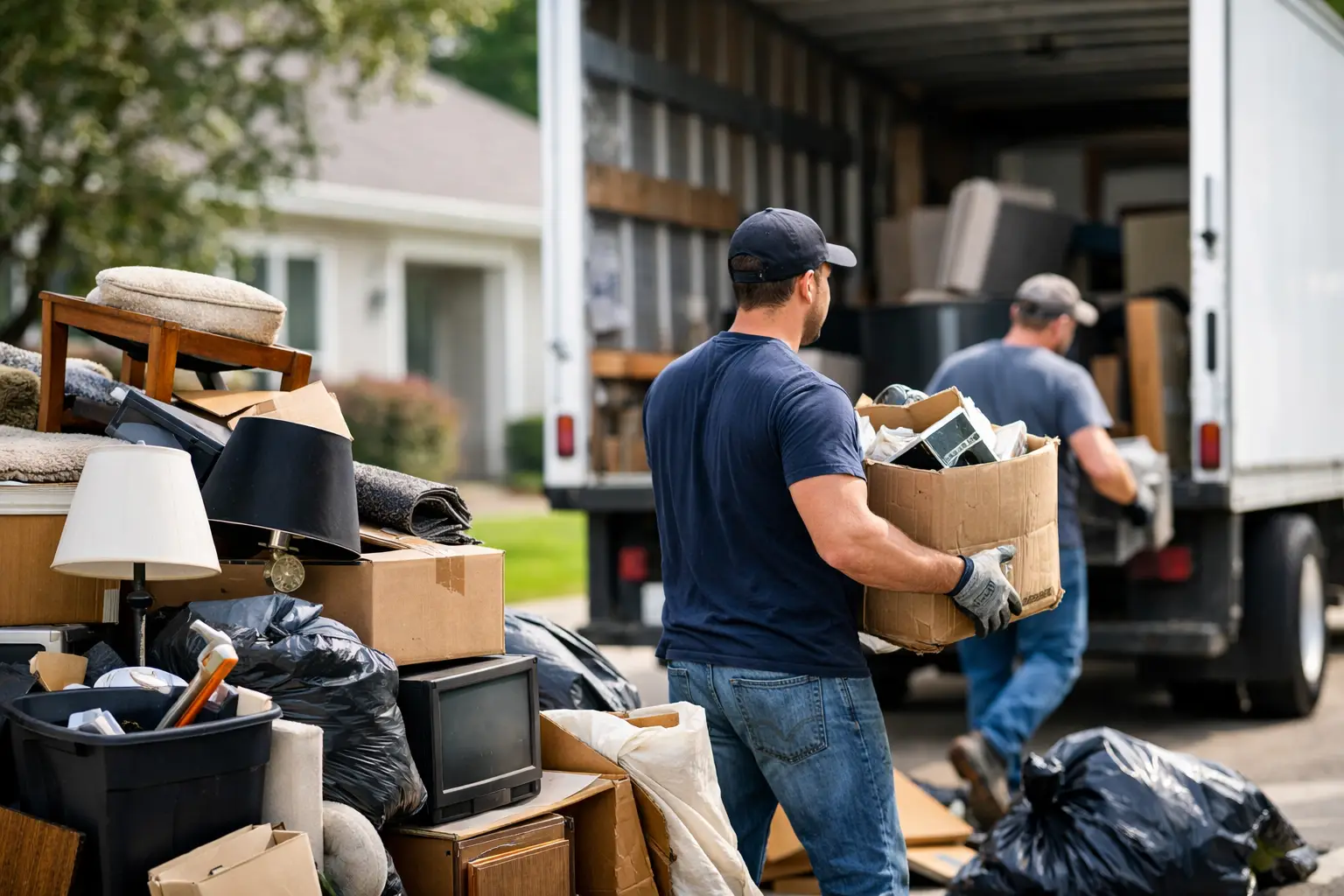
A property can go from manageable to overwhelming fast. One move-out leaves a garage full of furniture. One renovation fills the driveway with busted drywall and old cabinets. An estate cleanout can mean decades of belongings packed into every closet, shed, and corner. Property cleanouts are not just about getting rid of stuff. They are about getting a space back - safely, quickly, and without turning your weekends into a parade of pickup-truck runs.
The right plan depends on what is in the property, how quickly it needs to be cleared, and whether you want to do the lifting yourself. Some jobs need a crew that can heave it, load it, and haul it. Others need a dumpster in the driveway so you can work room by room. Either way, a cleanout goes better when you make a few decisions before the first bag hits the bin.
What Counts as a Property Cleanout?
A property cleanout is the removal of unwanted items from a house, apartment, rental unit, garage, basement, office, storage area, or yard. That may mean a few oversized pieces after a tenant moves out. It may mean clearing an entire home before a sale. The job can include furniture, boxes, appliances, carpeting, construction debris, bagged trash, yard debris, and the weird mystery items that somehow survive in a shed for 20 years.
Cleanouts come up for plenty of reasons: selling a home, preparing a rental for the next tenant, cleaning out an estate, downsizing, tackling a hoarding situation, finishing a remodel, or finally dealing with the garage that has not held a car since 2014.
The big mistake is treating every cleanout like a basic trash day. Municipal pickup is built for normal household waste, not a sectional sofa, a basement full of old shelving, or piles of demolition debris. A property cleanout needs a plan for volume, weight, labor, and disposal.
Start With a Fast Walk-Through
Before booking a haul or renting a dumpster, walk the property from top to bottom. Open closets. Check the attic, basement, crawl space, garage, and outdoor buildings. A clean-looking house can still have a packed shed or a mountain of boxes behind one locked door.
As you walk, separate what you see into three simple buckets: keep, donate or sell, and remove. Do not spend an hour debating every cracked end table. If an item has real value or sentimental importance, set it aside for a family member, buyer, or donation. If it is broken, wet, outdated, unsafe, or has been moved from house to house without being used, it is probably ready to go.
This is also the time to watch for items that require special handling. Paint, solvents, gasoline, propane tanks, chemicals, batteries, and certain electronics may not belong in a standard junk load or dumpster. Tell your hauler what you found before the job begins. Straight answers up front prevent surprises later.
Check the Heavy Stuff First
Heavy items shape the job more than small bags do. Think refrigerators, old TVs, mattresses, cast-iron tubs, exercise equipment, water heaters, concrete, shingles, and stacks of wet carpet. They take more labor to move and can add serious weight fast.
If a cleanout includes a lot of dense material, a smaller dumpster can fill sooner than expected. If the items are scattered across several floors or tucked in a tight basement, full-service hauling may save a lot of sore backs and awkward stair turns. The cheapest-looking option is not always the best value once you factor in your time, truck access, dump fees, and the chance of dropping a dresser on a toe.
Full-Service Hauling or a Dumpster?
For most property cleanouts, the choice comes down to how much help you want and how long the project will take.
Choose Full-Service Hauling When You Want It Gone Now
Full-service hauling is a good fit when you have a clear pile of unwanted items and do not want to lift, load, or make disposal runs. A two-person crew can remove furniture, household junk, old appliances, bagged debris, and other approved items from wherever they sit. You point. They load. The space starts looking like a space again.
This approach is especially useful for estate cleanouts with bulky furniture, rental turnovers on a deadline, and jobs where stairs, narrow hallways, or heavy pieces make DIY work risky. It also makes sense when you only have a truckload or two of material. Renting a dumpster for a small, contained job can be more capacity than you need.
The trade-off is that you need the items ready to go when the crew arrives. If you are still sorting through boxes, deciding what stays, or waiting on relatives to pick up belongings, a dumpster may give you more breathing room.
Rent a Dumpster When You Need Time and Elbow Room
A roll-off dumpster gives you a place to toss debris as you work. It is a strong option for larger whole-property cleanouts, remodeling projects, garage and basement cleanups, and jobs that will unfold over several days. You can fill it on your schedule rather than trying to create one giant pickup pile in a single afternoon.
Dumpster size matters. A 10-yard container often works for a smaller cleanup, a bathroom remodel, or one room of bulky debris. A 15- or 20-yard dumpster may fit a larger house cleanout or multi-room renovation. A 30-yard size is for major volume - big renovation debris, full-house clearing, or a project where you know the piles will keep coming.
More space is helpful, but bigger is not automatically better. You need a level, accessible drop spot and enough room for the delivery truck to place the container. Keep in mind that dumpsters have weight limits and should not be filled above the top rail. If debris sticks out, it cannot be safely transported. When in doubt, describe the job honestly and get help choosing the size.
The Best Order for Clearing a Property
Random cleaning burns time. A better method is to clear in zones and save the deep cleaning for last. Start with obvious trash and broken items so you can see the floor and create room to work. Then move through one area at a time: bedrooms, closets, kitchen, basement, garage, and outdoor spaces.
Do not start with sentimental boxes if there are three rooms of plain old junk waiting. Emotional decisions take longer. Get the easy volume out first, then return to photographs, paperwork, family items, and anything that deserves a closer look.
For an estate property, set aside documents before hauling begins. Look for deeds, tax records, financial paperwork, military records, insurance policies, jewelry, cash, and small valuables. Check drawers, desk compartments, coat pockets, books, and old filing cabinets. It is not glamorous work, but it is a lot easier than realizing something mattered after the truck has left.
If you are cleaning out a rental, take photos of the condition before moving debris. This gives you a record of what was left behind and helps you spot damage once the clutter is gone. Then focus on turnover basics: remove leftover belongings, clear trash, pull old flooring or fixtures if planned, and leave the unit ready for repairs and cleaning.
Keep Safety Ahead of Speed
Property cleanouts get physical fast. Wear gloves, sturdy closed-toe shoes, and clothes you do not mind sacrificing. Use masks and eye protection when you are dealing with dust, insulation, animal droppings, moldy items, or renovation debris. Open windows when possible, especially in garages, basements, and long-closed homes.
Do not lift heavy furniture alone just because it looks manageable. Old furniture can have loose legs, broken hardware, hidden nails, or water damage that makes it come apart at the worst possible moment. Use a dolly, get help, and clear the route before moving anything. That means no loose cords, throw rugs, boxes, or kids' toys between the basement and the driveway.
Be cautious in vacant properties. Weak floors, poor lighting, rodent activity, sharp debris, and unknown substances are real possibilities. If you find suspected asbestos-containing material, large amounts of mold, biohazards, or hazardous chemicals, stop and bring in the right specialist. A junk crew is built to haul junk, not to gamble with health and safety.
Don’t Let Disposal Slow Down the Job
A cleanout is not finished when the pile reaches the curb. It is finished when the material has been removed and handled the right way. That is why an upfront quote and clear rules about accepted items matter. You should know what is included, what needs special disposal, and whether the job is priced by truck space, dumpster size, weight, or another straightforward method.
For Bowling Green and northwest Ohio property owners, Bye-Bye Buckeye offers two simple lanes: full-service hauling when you want the lifting handled, or roll-off dumpsters when you want to work on your own timeline. The right choice is the one that gets the property cleared without adding another headache to an already busy job.
A clean, empty room makes the next decision easier - list the home, start the repairs, hand over the keys, or finally park in the garage. Start with one area, make the keep-or-go calls, and let the junk take its rightful exit: bye-bye.