
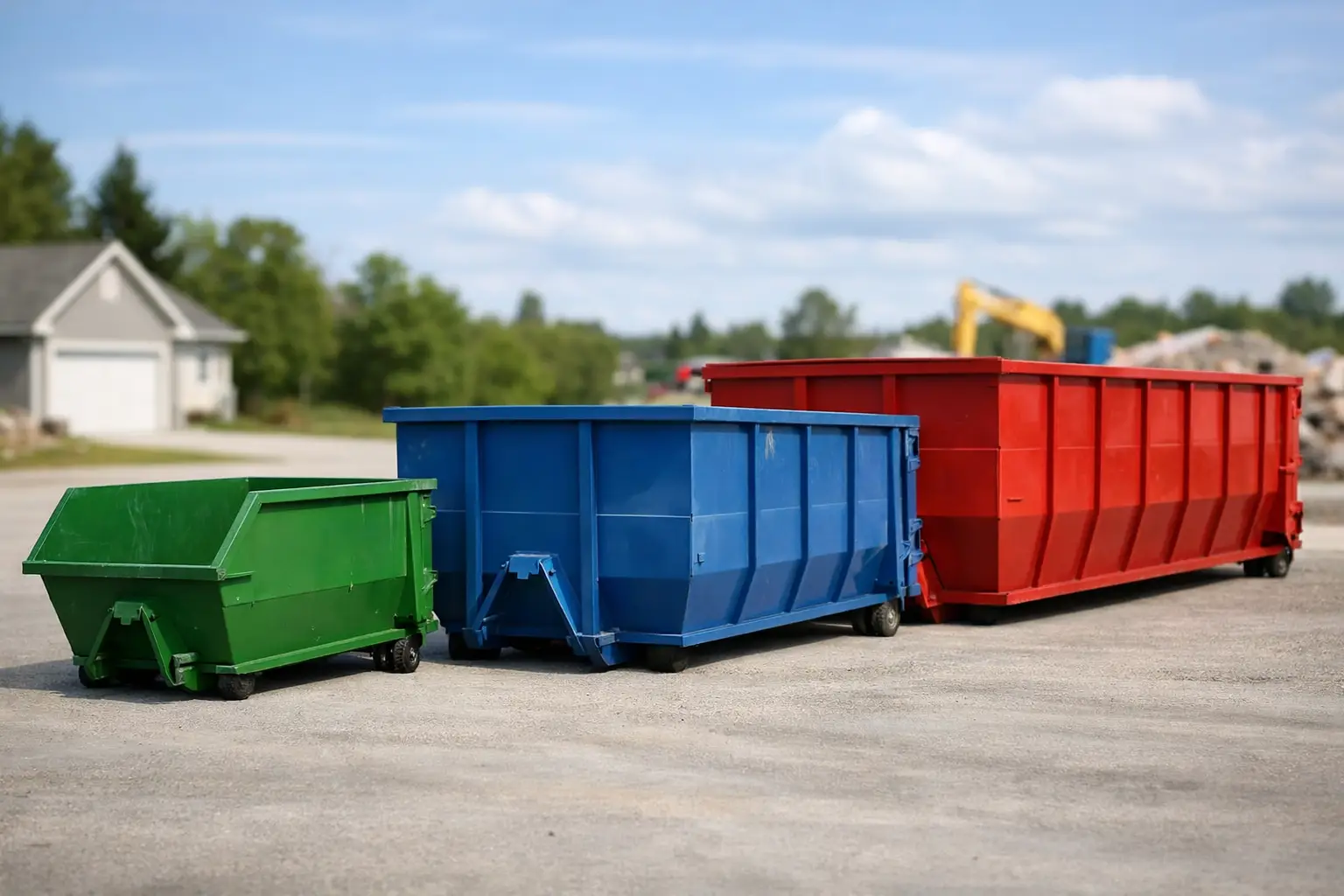
That garage cleanout starts with one box. Then the old carpet comes up, the basement shelves come down, and suddenly the pickup bed is not even close to enough. A roll off dumpster gives big projects one place for the mess - and lets you work at your own pace instead of making dump runs all weekend.
For homeowners, landlords, remodelers, and anyone facing a serious pile of debris, the right container can turn a chaotic job into a manageable one. But size matters. So do driveway space, material weight, and what you plan to toss. Pick well, load smart, and when the work is done, the mess goes bye-bye.
What Is a Roll Off Dumpster?
A roll-off dumpster is the large, open-top container delivered on a specialized truck and set where you need it, usually in a driveway, lot, or jobsite. It gets its name from the way it rolls off the truck onto the ground. You fill it, schedule pickup when you are finished, and the hauler takes the debris away.
This is the DIY lane. You handle the sorting, lifting, and loading on your timeline. That makes a dumpster a strong fit for projects that stretch over several days, renovation work that creates debris in stages, or cleanouts where you need time to decide what stays and what goes.
It is not always the best answer. If you have a small pile, heavy furniture, or no interest in lifting a thing, full-service junk removal may be the easier move. A crew loads it. You point. They haul. But for a job with steady debris and a clear place to set a container, a dumpster keeps the work moving.
Roll Off Dumpster Sizes: Start With the Job
Dumpster sizes are measured in cubic yards. That sounds technical, but the practical question is simple: how much space will your debris take up once it is broken down and loaded?
A 10-yard dumpster is often the right call for a small bathroom remodel, a garage purge, a compact deck tear-out, or a single-room flooring project. It is a good choice when space is tight and the debris pile is real but not massive.
A 15-yard dumpster gives you more breathing room for larger cleanouts, multiple rooms of flooring, or a medium-sized remodeling project. If you are standing in a garage thinking, “There is more in here than I remembered,” this middle size can save you from cramming everything to the rails.
A 20-yard dumpster is a dependable fit for major home cleanouts, kitchen renovations, roofing debris, and larger flooring jobs. It offers enough capacity for a substantial project without taking up the footprint of the biggest containers.
A 30-yard dumpster is for the heavy hitters: estate cleanouts, large renovations, big construction projects, major moves, and jobs where debris is coming from several rooms or an entire property. It is tempting to order the biggest size just to be safe. That can be smart when volume is the issue, but it is not automatic. A larger container needs more room, and heavy materials can reach a weight limit long before the box looks full.
When you are between sizes, think about the kind of debris as much as the pile itself. Old furniture, cardboard, drywall, and bagged household clutter take up lots of room but are often lighter. Concrete, dirt, brick, shingles, and wet wood get heavy fast. One small container full of dense material can weigh more than a much bigger container full of household junk.
Do Not Guess on Heavy Materials
Weight is where many dumpster plans go sideways. A container can look half-full and still be too heavy to haul safely or included within the rental allowance. Concrete, asphalt, soil, gravel, brick, roofing shingles, and plaster deserve a conversation before delivery.
The best approach is to tell the dumpster provider exactly what you are removing. Do not call it “construction debris” if the project is mostly broken concrete. Those are very different loads. Clear details help the provider recommend the right size, loading approach, and disposal plan before the truck arrives.
The same goes for mixed loads. A few broken pavers mixed into a household cleanout is one thing. A garage full of masonry, roofing, and demolition debris is another. Straight answers upfront beat surprise fees later. Upfront pricing only works when everyone knows what is going in the box.
Make Room Before Delivery Day
A dumpster needs a level, accessible spot with enough room for both the container and the delivery truck. A driveway is usually the easiest option, but it needs to be clear of vehicles, trailers, basketball hoops, low branches, and anything else that could block the truck’s path.
Measure the area if you are unsure. Container dimensions vary by size and equipment, and the truck needs room to maneuver as well. Tell the provider about narrow drives, sharp turns, gates, steep grades, soft ground, or overhead wires before delivery. A two-minute heads-up can prevent a frustrating reschedule.
If the dumpster will sit on a paved driveway, ask about using wood boards under the container. Boards can help spread the contact points and reduce the chance of marks or surface damage. They are not a magic shield for every driveway, especially older asphalt, but they are a sensible precaution.
Street placement can be another option when a driveway will not work, though local rules may require permission or a permit. Check before the container is dropped. The goal is to clear junk, not create a parking headache for the whole block.
Load It Like You Want It to Fit
The fastest way to waste dumpster space is to toss everything in without a plan. Start with flat, heavy items on the bottom. Break down boxes. Stack wood and long materials along the sides. Put bulky furniture in strategically instead of letting one couch create a giant empty pocket underneath it.
Keep the load level as you go. Do not pile debris above the top edge of the container. Overfilled dumpsters can be unsafe to transport, and material sticking out can prevent pickup until it is rearranged. If the lid would not close on an imaginary box over the top, it is too high.
Save a little room near the end for the stuff you uncover last. Every cleanout has it: the surprise bags behind the workbench, the broken shelves in the attic, the pile that “was not part of the plan.” Loading with some discipline gives those final items somewhere to go.
Know What Stays Out
Most everyday cleanout and construction debris can go into a dumpster, but some materials need separate handling. Common restricted items include paint, chemicals, fuels, propane tanks, batteries, tires, certain electronics, and hazardous waste. Appliances or mattresses may also have special disposal requirements depending on the item and local rules.
Do not bury questionable items under a pile of debris and hope nobody notices. That can create safety issues, delay disposal, and add costs. Ask before loading anything that contains liquid, is pressurized, has a battery, or seems like it should not be tossed in the regular trash.
If you are cleaning out an older property, be extra careful around unknown chemicals, containers without labels, and materials that may require professional handling. A dumpster is built for debris, not for taking chances.
Plan the Pickup Before the Last Bag
Your project is not finished when the dumpster is full. It is finished when the container can be picked up safely and hauled away. Keep access clear around it, especially on pickup day. Do not park in front of it, lean materials against the sides, or block the truck’s approach with a fresh stack of junk.
If the project ends early, arrange pickup early. If the cleanup grows, ask about your options before the box is packed to the rim. Good communication keeps the schedule simple and prevents a full dumpster from becoming the newest permanent feature of the driveway.
For Bowling Green and Northwest Ohio projects, weather belongs in the plan too. Rain can make debris heavier, turn a soft yard into mud, and make a rushed loading day miserable. A little extra time and a solid placement spot can make all the difference.
A dumpster does not make the work disappear by itself. You still have to sort, lift, and make the calls about what is worth keeping. What it does give you is a clean, contained finish line: load it up, clear the space, and let the haul-out be somebody else’s problem.