
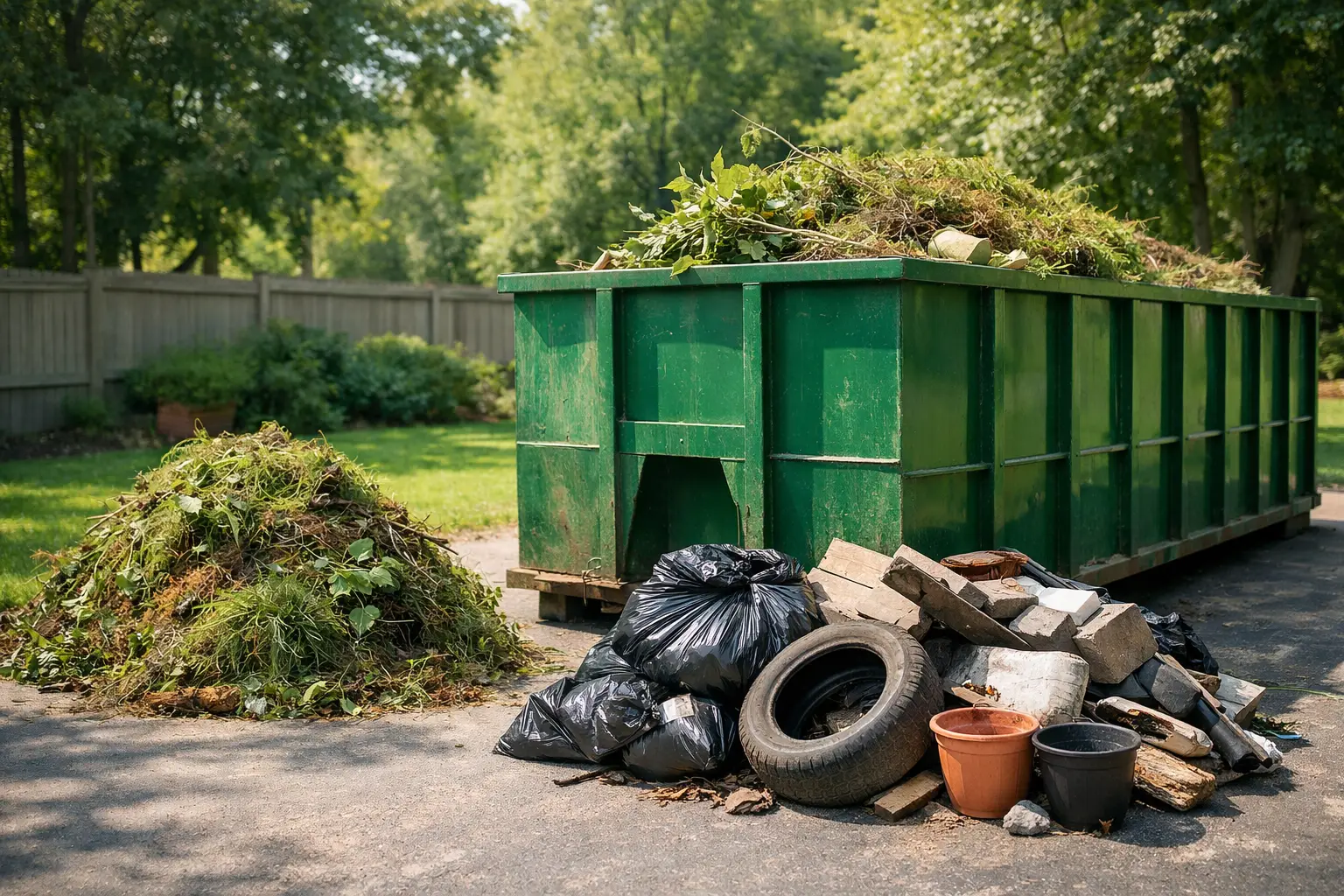
A weekend of trimming can turn one tidy backyard into a curbside mountain fast. Branches, brush, sod, old landscape timbers, and the shrub that finally lost the argument all have to go somewhere. A yard waste dumpster rental gives you one place to pile it while you work, instead of cramming your vehicle full of twigs or making trip after trip across town.
The key is ordering the right container and loading only material your provider can accept. Yard debris looks simple, but wet leaves are heavy, dirt is heavier, and one mixed load can complicate disposal. Here is how to clear the yard without turning cleanup into a second project.
When a Yard Waste Dumpster Rental Makes Sense
A dumpster earns its keep when the work is bigger than a few yard bags. Think spring cleanup after months of fallen limbs, a major hedge removal, storm debris, clearing an overgrown lot, or preparing beds for a full landscape redo. It is also a practical choice when you want to work over several days instead of racing to finish before a pickup deadline.
For small loads of leaves or a handful of branches, municipal collection or a compost pile may be the easier move. But a pile of brush can take up a surprising amount of space, especially when the branches are crooked and airy. A roll-off dumpster lets you keep working while the mess stays contained in one spot.
In Bowling Green and across Northwest Ohio, spring thaw and summer storms can make yard work pile up quickly. If the cleanup includes more than a trunk full of debris, having a container in the driveway can save a lot of loading, unloading, and repeat driving.
What You Can Usually Put in a Yard Waste Dumpster
Every disposal facility and rental provider has its own rules, so ask before booking if the material is unusual. In general, clean organic debris is the easiest type of yard waste to handle. This commonly includes branches, brush, leaves, grass clippings, weeds, garden plants, and small amounts of untreated wood.
Tree limbs and brush are usually fine, but it helps to cut long pieces down when possible. Shorter branches stack better, waste less space, and are less likely to stick above the top rail. If you are removing a tree, ask about limits on stump size, root balls, and log diameter before you start cutting. Those pieces can add serious weight in a hurry.
Some landscape projects create materials that are not really yard waste, even though they came from the yard. Old fencing, treated lumber, landscape fabric, plastic edging, patio blocks, and bagged trash may need to be handled differently. The same goes for railroad ties, which are often treated and should never be tossed in without approval.
What Should Stay Out of the Dumpster
The fastest way to turn a straightforward cleanup into a disposal problem is mixing in materials that do not belong. Keep hazardous waste, fuel, oil, paint, pesticides, propane tanks, batteries, and chemicals out of the container. Do not use a yard waste load as a hiding place for electronics, tires, appliances, or household trash either.
Dirt, concrete, brick, rocks, and large amounts of sod deserve a separate conversation. They are dense, and weight limits arrive much faster than most people expect. One dumpster that looks half full can be too heavy to haul safely if it is packed with soil and stone.
If your project involves a mixture of brush, lumber, and renovation debris, say so when you request a quote. There may be a better container size or a different disposal plan for the material. Upfront details make for upfront pricing. No guessing after the container is already loaded.
Pick the Dumpster Size Before the Cutting Starts
The right size depends on volume, not just the size of your yard. A few mature shrubs can fill more space than a whole season of leaf bags. Branches are bulky, and they do not stack like boxes unless you take a little time to break them down.
A 10-yard dumpster can work well for a compact cleanup, small shrub removal, or a light load of branches. A 15-yard option gives you more breathing room for a larger backyard project. A 20-yard dumpster is often the safer choice for significant brush clearing, several removed shrubs, or a storm cleanup spread across the property. A 30-yard container is built for the big stuff: extensive lot clearing, major landscape removal, or a project that includes plenty of bulky green waste.
Going too small can leave you with an overflowing container and more debris on the ground. Going too large can mean paying for space you did not need. If you are stuck between sizes, think about how much material is still attached to the ground. The visible pile is rarely the whole job. Once you start digging out roots, cutting limbs down, and pulling old edging, the volume grows.
Load Yard Debris So You Get More in the Bin
Good loading is less about perfection and more about avoiding empty air. Start with the long branches. Place them lengthwise along the bottom and alternate the thicker ends as you build layers. Break down tangled brush before it goes in, rather than trying to force one giant clump over the side.
Put flatter material, such as bundled leaves, weeds, and small trimmings, into the gaps between branches. Keep heavy items low and spread across the floor of the dumpster. If approved materials include logs or small stumps, do not drop all of them in one corner. Balanced loads are safer for pickup and easier on the container.
Do not pile debris above the top edge. Hauling a heaped-up load is unsafe, and material can blow out on the road. If the dumpster is getting close to full, pause before adding the last armful of brush. A quick check beats having to pull debris back out on pickup day.
Protect the Driveway and Make Delivery Easy
A roll-off dumpster needs a clear, reasonably level place to land. The driveway is often the best location because it gives the truck solid access and keeps the container close to the work. Move vehicles, basketball hoops, trailers, and anything else that blocks the approach before delivery.
If you are concerned about the surface, ask about placing boards under the container. The right protection depends on the driveway material and the dumpster size. Soft ground, steep slopes, low-hanging wires, and tight turns can all affect where the container can go, so mention them while scheduling.
You also need a clear path from the yard to the dumpster. It sounds obvious until you are wheeling a loaded cart around patio furniture, garden beds, and a gate that only opens halfway. Set up your work route first. Then put the dumpster where it helps the job instead of creating more steps.
Know When Full-Service Hauling Is the Better Call
A dumpster is built for DIY cleanup on your schedule. You load it, fill it, and call for pickup when the work is done. That is a great fit when you have time, help, and a steady plan for getting material from the yard to the bin.
But there are days when the brush is soaked, the limbs are heavy, and nobody wants to spend Saturday wrestling a stump into a container. If you need the lifting handled too, a full-service hauling crew may be the better lane. It depends on the amount of debris, your timeline, and whether you want to do the loading yourself.
Get the Details Right Before You Book
Before requesting a yard waste dumpster rental, take a few photos of the pile and make a quick note of what is in it. Include branches, leaves, logs, sod, treated lumber, landscape materials, and anything you are unsure about. Estimate the largest pieces, too.
Then be clear about access, where the dumpster should sit, and how long you expect to need it. A good quote should tell you what size you are getting, what the rental includes, and what could change the price. That is how you avoid surprise fees and keep the cleanup moving.
The goal is simple: cut it down, load it up, and get your yard back. Plan the load before the first branch hits the ground, and the mess will have one clear destination - bye-bye.